


The Incident and Its Significance
The recent rescue of a US airman in a remote part of Iran has shed new light on the precarious state of U.S.-Iran relations. The event, which unfolded under the cloak of secrecy, underscores both the operational complexities in military rescues and the geopolitical stakes involved in the region. As the Middle East continues to grapple with a myriad of challenges, this incident highlights how swiftly tensions can escalate between the two nations, with potential consequences reverberating across the entire region.
Operation Overview
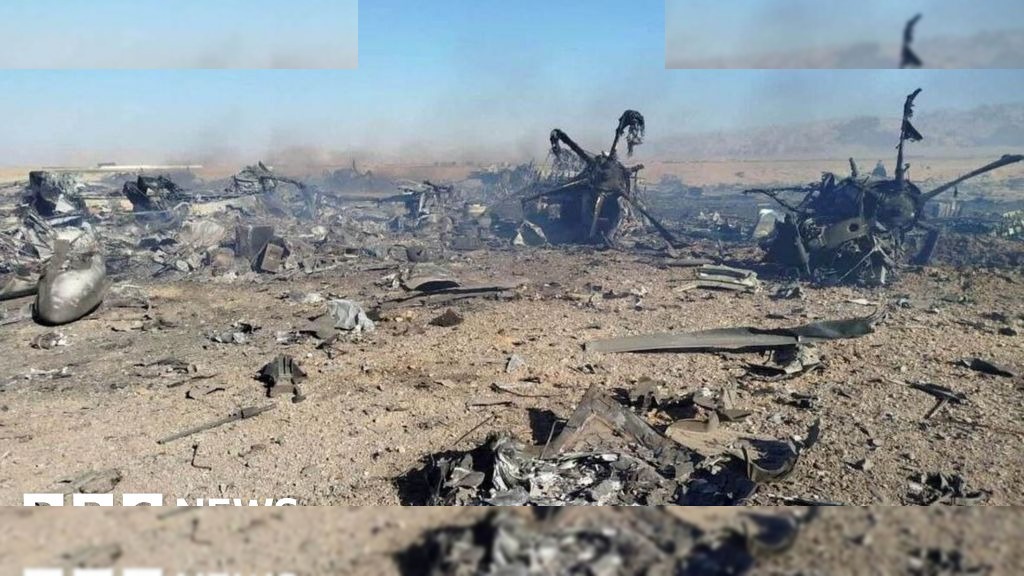
Reports indicate that initial rescue attempts involved two transport planes stationed at a remote base inside Iranian territory. However, technical difficulties prevented these aircraft from taking off, leading to a critical decision made by U.S. military command—destroying the planes to prevent them from being captured. This drastic measure not only signifies the high stakes involved but also reflects a growing sense of urgency within U.S. military operations in the region.
Subsequently, Special Forces deployed on three additional aircraft to complete the rescue mission. The sheer audacity of this operation, carried out in a nation often regarded as a formidable adversary, reiterates the U.S. commitment to safeguarding its personnel, even in the most threatening environments.
Historical Context
The historical backdrop of U.S.-Iran relations is fraught with tension and mistrust, stemming from events that date back to the 1953 CIA-backed coup that overthrew Iran’s democratically elected Prime Minister, Mohammad Mossadegh. This intervention set in motion decades of animosity and shaped Iran’s perception of the U.S. as an imperial power intent on undermining its sovereignty.
In the years that followed, the Islamic Revolution of 1979, the ensuing hostage crisis at the U.S. embassy in Tehran, and the Iran-Iraq War further entrenched hostilities. As the U.S. expanded its military presence in the Middle East over subsequent decades, including during the wars in Iraq and Afghanistan, Iran’s perception of American intentions only soured further. This historical context is vital to understanding the complexities surrounding military operations in the region today.
Geopolitical Analysis
The rescue operation comes at a time of escalating tensions between the United States and Iran, particularly regarding nuclear negotiations and Iran’s support for proxy groups across the region. The U.S. has accused Iran of destabilizing activities, while Iran contends that U.S. presence in the region exacerbates tensions and promotes conflicts.
This incident raises questions about the U.S. military’s operational capabilities within Iranian territory, especially as Iran continues to bolster its military defenses and engage in regional confrontations. Iran’s strategic use of asymmetric warfare, including cyber attacks and proxy engagements, poses significant challenges for U.S. forces, which have to navigate a complex and hostile environment.
The ramifications of this rescue extend beyond mere military logistics. They speak to broader strategic considerations, including the likelihood of future encounters and the potential for escalatory cycles between the two nations. As Iran continues to advance its missile technology and strengthen ties with other regional powers, the U.S. may find itself increasingly drawn into conflicts that threaten to destabilize the entire Middle East.
Public Response and Implications
The public response to the rescue operation has been mixed. Some view it as a testament to U.S. military ingenuity and determination, while others question the wisdom of engaging in such high-stakes operations within a nation that has historically been considered an enemy. Debates surrounding military interventions, the ethics of risking soldiers’ lives in hostile territories, and the long-term implications for U.S. foreign policy are sure to surface in the wake of this incident.
Moreover, the rescue operation is likely to be invoked by policymakers advocating for a more aggressive stance toward Iran, potentially leading to a renewed focus on military readiness in the region. As discussions around Iran’s nuclear ambitions continue to evolve, the U.S. will face significant pressure to respond both diplomatically and militarily.
Conclusion: A Turning Point?
Ultimately, the daring rescue of the U.S. airman may mark a pivotal moment in the ongoing saga of U.S.-Iran relations. With each military encounter, the stakes rise and the potential for conflict intensifies. As the U.S. navigates this treacherous landscape, both leaders and citizens must grapple with the implications of military actions and their potential to sway the course of history in the Middle East.
In the coming months, how the U.S. chooses to respond to this incident and its broader implications will be closely watched, not only by those within the region but also by global powers with vested interests in the unfolding dynamics of Middle Eastern geopolitics.