


Introduction
In the complex web of Middle Eastern geopolitics, few regions hold as much strategic significance as the Strait of Hormuz. This narrow waterway connects the Persian Gulf to the Gulf of Oman and is a vital corridor for global energy supplies, with approximately 20% of the world’s oil passing through it. As tensions escalate between Iran and the West, the strait has become a focal point for geopolitical maneuvering, particularly in light of recent conflicts.
The Strategic Importance of the Strait of Hormuz
Historically, the Strait of Hormuz has been a critical maritime route since ancient times, often referred to as the lifeline of the global economy. The waterway’s strategic location has made it a key player in international trade, especially for oil-rich nations in the region. With growing demand for energy and limited alternative routes, control over the strait has significant ramifications not just for regional players but for economies worldwide.
The current geopolitical landscape is fraught with tension, primarily due to Iran’s assertive maritime strategy. Iran has leveraged its geographical advantage to assert control over the strait, often threatening to disrupt shipping lanes as a means of demonstrating its power in the region. This has created a precarious situation for global oil markets, as any perceived threat to the strait can lead to significant fluctuations in oil prices, affecting consumers worldwide.
Recent Developments: Iran’s Tactics and Global Implications
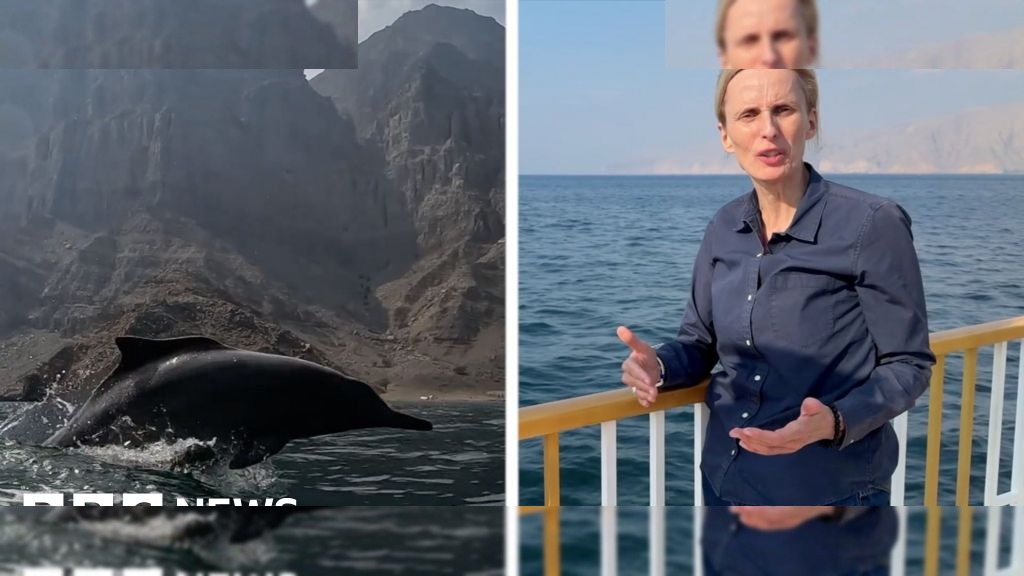
Recent reports from the field, including those by the BBC’s senior international correspondent Orla Guerin, highlight the dire circumstances faced by vessels attempting to navigate the strait. As the conflict escalates, Iran has employed tactics that impede the movement of ships, effectively stranding them within the waterway. This not only creates logistical nightmares but also has far-reaching implications for global oil supplies.
The strategy appears to be twofold. Firstly, by restricting the flow of oil, Iran seeks to drive up prices, thereby exerting economic pressure on its adversaries, particularly the United States and its allies. Secondly, it aims to instill a sense of fear and uncertainty among consumers and investors alike, contributing to market volatility. The ramifications are severe; higher oil prices can lead to inflationary pressures globally, affecting everything from transportation costs to the prices of consumer goods.
The Historical Context of Iran’s Maritime Strategy
To understand Iran’s current actions, it is imperative to delve into the historical context of its maritime strategy. Since the 1979 Islamic Revolution, Iran has viewed control over strategic waterways as essential to its national security. The country has frequently employed asymmetrical warfare tactics, utilizing proxy forces in the region and threatening to block the Strait of Hormuz in response to perceived aggressions.
In 2019, for example, tensions escalated dramatically when Iran seized multiple tankers, claiming they violated its territorial waters. These incidents heightened fears of military confrontation, drawing in global powers and prompting a series of maritime security initiatives led by the U.S. and its allies. However, such measures have rarely led to a de-escalation of tensions, highlighting the complexities of maneuvering in this volatile region.
The Broader Geopolitical Landscape
Iran’s actions in the Strait of Hormuz cannot be viewed in isolation. They are part of a broader geopolitical framework characterized by shifting alliances and power struggles. The ongoing conflict in Yemen, tensions with Saudi Arabia, and the broader U.S.-Iran confrontation all play a role in shaping Iran’s maritime strategy. The recent normalization of relations between Saudi Arabia and Iran, however, suggests that opportunities for diplomatic engagement may exist, even amidst the chaos.
The role of external powers, particularly the United States, cannot be understated. American military presence in the region has been a deterrent against aggressive Iranian actions, yet it also escalates the risk of confrontation. The U.S. has undertaken numerous operations to safeguard shipping lanes, but with Iran’s steadfast determination to assert its dominance, these efforts can often feel like a race against time.
Consumer Impact and Future Outlook
The implications of Iran’s control over the Strait of Hormuz extend beyond geopolitical maneuvering; they directly affect consumers across the globe. Rising oil prices inevitably lead to increased costs for businesses and households, fueling inflation and economic instability. The uncertainty surrounding oil supplies creates a ripple effect, influencing everything from gasoline prices to airline fares and the cost of goods.
As the situation develops, the international community faces a pivotal moment. Will diplomatic efforts yield a lasting resolution, or will the strait continue to serve as a flashpoint for conflict? The answers to these questions will not only shape the future of energy markets but also determine the fate of countless lives affected by the economic repercussions of rising oil prices.
Conclusion
In conclusion, the Strait of Hormuz stands at a crossroads, symbolizing the delicate balance between power and diplomacy in the Middle East. With Iran’s increasing influence and the potential for further escalation, the stakes have never been higher. As observers of this critical geopolitical theater, we must remain vigilant, understanding that the ripples of decisions made in this narrow waterway will undoubtedly resonate far beyond its shores.