


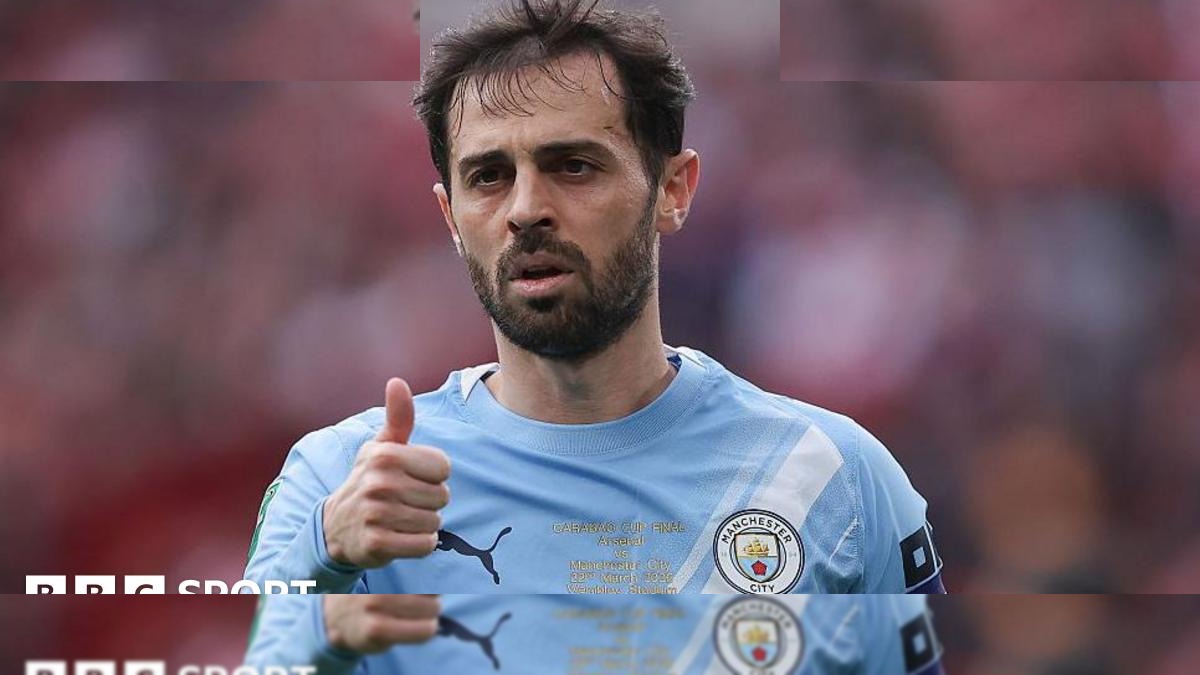
The Legacy of Bernardo Silva in Manchester City
In an era defined by dominance, innovation, and breathtaking football, few players have embodied the spirit of Manchester City quite like Bernardo Silva. As the Portuguese midfielder approaches the final months of his contract, speculation grows regarding a potential exit that could mark the end of a remarkable chapter in the club’s storied history. With Manchester City’s assistant manager, Pep Lijnders, hinting at this imminent farewell, the football world is left pondering not just the departure itself but the legacy Silva leaves behind.
Contextualizing Silva’s Impact
Silva joined Manchester City in 2017 from AS Monaco, after a standout season that saw him help his club capture the Ligue 1 title. Since then, he has evolved into one of the most versatile players under the management of Pep Guardiola, contributing to the team’s success in domestic and European competitions. The midfielder has often been the architect of City’s attacking plays, showcasing a unique combination of vision, technique, and tactical awareness.
Historically, players of Silva’s caliber have thrived in environments where creativity meets disciplined teamwork. Silva’s arrival in Manchester coincided with a transformative period for the club, which had ambitions of establishing itself as a powerhouse in European football. The investment and philosophy adopted by the club, largely driven by Guardiola’s tactics, allowed Silva to flourish, winning multiple Premier League titles and making deep runs in the UEFA Champions League.
The Speculations of Departure
As Silva’s contract nears its expiration at the end of the season, the potential for his departure has stirred considerable conversation. Lijnders, stepping in for Guardiola during a recent media engagement, expressed sentiments that resonate with both the fanbase and the player. “Every good story comes to an end,” he remarked, hinting at the inevitability of change.
Silva’s potential suitors include European giants such as FC Barcelona and Juventus, as well as MLS clubs that are keen on attracting high-profile talents to the United States. This interest is a testament to Silva’s reputation as a game-changer and a pivotal figure in the modern footballing landscape. His ability to control the tempo of matches and make decisive plays positions him as an invaluable asset, regardless of the league.
The Emotional Connection with Fans
Silva’s relationship with Manchester City supporters has been profound. He has been more than just a player; he embodies the essence of the club’s identity. His relentless work ethic, ability to connect with fans, and clear passion for the game have solidified his status as a fan favorite. The prospect of his leaving raises concerns for the emotional investment fans have made in his journey. Lijnders acknowledged this sentiment when he remarked, “When he is not playing, you will see how he is missed… Imagine a season.”
The emotional ramifications of his departure could reverberate beyond the pitch. City fans have witnessed first-hand the development of Silva into a key figure, contributing not only through goals and assists but also as a leader on and off the field. The affection and loyalty he has garnered illustrate the symbiotic relationship between player and club, a rarity in today’s fast-paced, transfer-heavy environment.
A Broader Geopolitical Lens
The potential departure of Silva also serves as a reminder of the broader geopolitical landscape of football. With clubs in Europe facing financial constraints and shifting priorities, the allure of lucrative contracts in leagues like Major League Soccer (MLS) becomes increasingly appealing. The U.S. has aggressively marketed itself as a destination for aging European stars, while traditional powerhouses like Barcelona and Juventus seek to rebuild their squads with proven talents.
This evolving dynamic could lead to a further talent drain from the Premier League, which has historically been viewed as the pinnacle of footballing achievement. Fans and analysts alike are left to consider how these market forces will affect player retention and the overall competitiveness of leagues globally.
Looking Ahead: What Lies Beyond?
As City prepares for a potential life without Silva, questions loom regarding who might fill the void left by his departure. The club has built a reputation not just for acquiring talent, but for developing it—where might they turn for a replacement who can offer similar qualities? It’s a challenge that the management will need to navigate carefully, particularly if the aim is to continue their recent success.
In the coming weeks, as the transfer window approaches and decisions become clearer, the football world will be keenly watching. Each match in this remaining season becomes not just a game, but a nostalgic reflection of a player who has left an indelible mark on Manchester City’s legacy. Silva’s potential exit not only signifies a change for the club but also serves as a poignant reminder of the transient nature of football—a business where every good story does indeed come to an end.