

US-Iran Tensions Rise After Successful Pilot Rescue
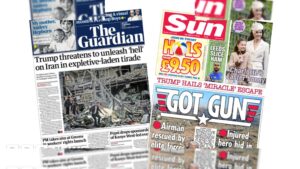
The recent rescue mission of an American pilot in hostile territory has once again spotlighted the complex and precarious nature of US-Iran relations. While President Trump declared victory in this operation, the mission also underscored the persistent threats to US aircraft and personnel in the region. Following a string of US and Israeli airstrikes aimed at crippling Iran’s military infrastructure, the situation remains fraught with danger, suggesting that the geopolitical landscape of the Middle East is still very much a powder keg.
The Context of Ongoing Hostilities
Historically, US-Iran relations have been marked by cycles of confrontation and diplomacy, punctuated by crises that have shaped the geopolitical dynamics of the region. The 1979 Iranian Revolution, which saw the overthrow of the US-backed Shah, set in motion a series of conflicts that have left deep scars in both nations. In the aftermath, the US imposed sanctions on Iran, which have been maintained and intensified under various administrations, especially during Trump’s tenure.
Iran’s military capabilities have evolved significantly over the years, particularly its anti-aircraft defenses, which the Trump administration previously dismissed. In the wake of recent military engagements, it is now evident that Iran maintains a level of operational effectiveness that poses a credible threat to US aircraft. The downing of two aircraft and the damaging of a helicopter in recent days serve as stark reminders that the conflict is anything but contained.
The Significance of the Recent Rescue Mission
The successful extraction of the American pilot highlights not just military prowess but also the urgency of the strategic calculus involved in the region. Grounded in historical animosities, the relationship between the US and Iran has turned increasingly hostile with each passing year. Trump’s administration framed its military actions as necessary to deter Iranian aggression, but the recent developments indicate that such claims might be overly optimistic.
Despite repeated assertions from Trump that Tehran has been stripped of its anti-aircraft capabilities, evidence from recent engagements suggests otherwise. Iran’s military infrastructure has proven resilient, and its ability to engage US forces remains a formidable challenge. This dynamic complicates the US’s operational strategies and raises questions about future military engagements in the region.
Geopolitical Implications for the Region
The ongoing hostilities between the US and Iran have far-reaching implications for the broader Middle East. As the two nations engage in a high-stakes game of military chess, the repercussions are felt not only in Tehran and Washington but also across neighboring countries. The tensions have led to a recalibration of alliances, with nations like Saudi Arabia and Israel aligning more closely with the US in a bid to counter Iran’s influence.
The recent military strikes by the US and Israel aim to diminish Iran’s capacity to project power, particularly through proxies in Syria, Iraq, and Yemen. However, these actions also risk further destabilizing the region, provoking retaliatory measures from Iran that could escalate into a broader conflict. The delicate balance of power in the Middle East remains susceptible to sudden shifts, and the US’s military presence is a double-edged sword, potentially inviting retaliatory strikes against its forces.
Public Sentiment and Political Ramifications
Back in the United States, public sentiment regarding military intervention in the Middle East is mixed. While there is a substantial base of support for actions aimed at countering Iranian aggression, growing fatigue over prolonged military entanglements persists. The Trump administration’s claims of victory may resonate with some, but many Americans are wary of further involvement in a conflict that seems to have no clear endpoint.
As the 2024 election approaches, the administration’s handling of the situation will likely be scrutinized. Critics may argue that the recent military engagements have only exacerbated tensions, while supporters could tout the successful rescue mission as a testament to US military capabilities. This dual narrative reflects the complexities of American foreign policy, particularly in regions where historical grievances run deep.
Conclusion: Navigating a Treacherous Landscape
As the US continues to grapple with its role in the Middle East, the recent pilot rescue serves as a crucial reminder of the volatility that defines US-Iran relations. The promise of a quick victory against a weakened adversary appears increasingly hollow in light of persistent threats to US forces. With both nations poised for further confrontations, the geopolitical landscape of the region remains fraught with uncertainty.
In this high-stakes environment, the challenge lies in navigating a treacherous landscape where diplomacy, military action, and public opinion intersect. The fate of US-Iran relations hangs in the balance, and the global community watches closely as these two nations chart their paths forward in an increasingly complex world.