

Trump’s Provocative Message to Iran
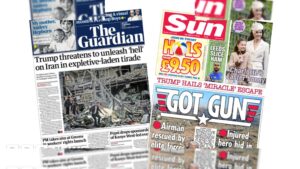
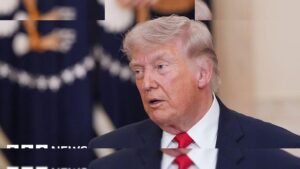
In a striking and unprecedented outburst, former U.S. President Donald Trump took to social media over the weekend to deliver a blunt ultimatum to Iran, calling for the opening of the Strait of Hormuz. His message, laced with expletives and bravado, sent shockwaves across the oil market, resulting in heightened volatility and uncertainty. “Tuesday will be Power Plant Day, and Bridge Day, all wrapped up in one, in Iran. There will be nothing like it!!! Open the Fuckin’ Strait, you crazy bastards, or you’ll be living in Hell – JUST WATCH! Praise be to Allah. President DONALD J. TRUMP,” the message read.
The Strait of Hormuz: A Critical Maritime Corridor
The Strait of Hormuz is a vital waterway for global oil transportation, with about 20% of the world’s oil supply passing through this narrow passage between Iran and the Arabian Peninsula. Such a strategic choke point has long made it a focal point of international tensions, particularly between Iran and the United States. Trump’s comments come amid escalating tensions with Iran, marked by military posturing and a series of alarming incidents in the Persian Gulf.
Historical Context: U.S.-Iran Relations
To comprehend the implications of Trump’s statements, one must consider the historical trajectory of U.S.-Iran relations. The 1979 Iranian Revolution marked a significant turning point, leading to the U.S. imposing sanctions and severing diplomatic ties with Tehran. Over the decades, Iran’s nuclear ambitions and its support for proxy groups in the region have fueled American hostilities. Trump’s presidency saw the withdrawal from the Joint Comprehensive Plan of Action (JCPOA) in 2018, which was designed to curb Iran’s nuclear program. This move emboldened hardliners in Tehran, leading to increased regional aggression.
The Current Geopolitical Landscape
Trump’s recent threats are not merely empty rhetoric; they come at a time when tensions are already at a boiling point. Iran’s military exercises and aggressive rhetoric toward U.S. interests in the region are indicative of a broader strategy to assert its influence in the Gulf. Additionally, the recent drone attacks on Saudi oil facilities attributed to Iranian-backed Houthi forces in Yemen have further heightened fears of conflict in the region.
As energy prices fluctuate in response to these provocations, the global economy remains vulnerable to shocks. The prospect of military action or even a blockade of the Strait of Hormuz could lead to a catastrophic spike in oil prices. Analysts are warning that any disruption in this critical corridor could have far-reaching impacts on energy security and global markets.
Market Reactions to Trump’s Threat
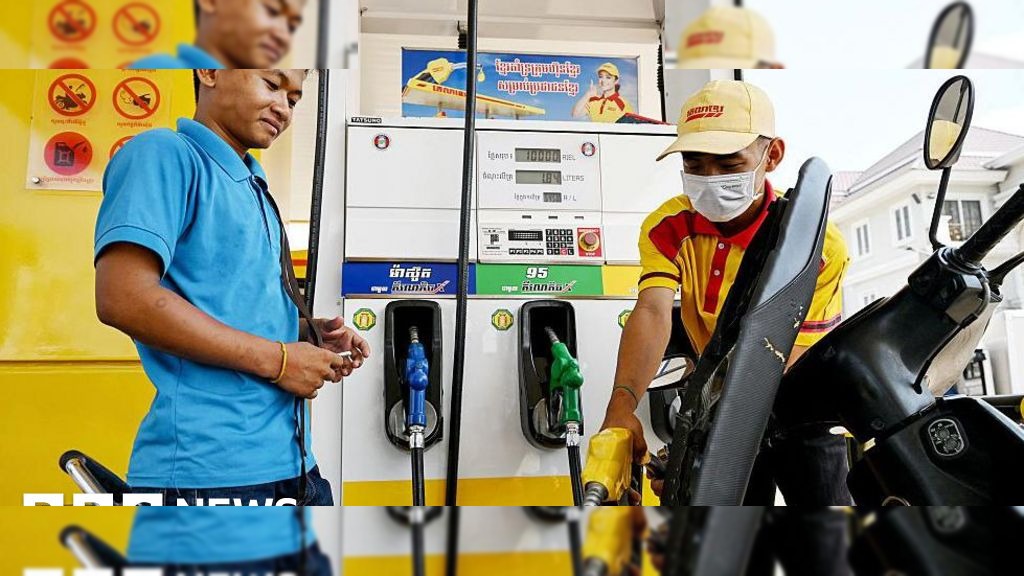
Following Trump’s incendiary comments, oil prices exhibited notable volatility. Brent crude oil, the international benchmark, saw a brief surge before stabilizing, reflecting traders’ fears regarding potential military confrontations. The underlying anxiety in the market mirrors the uncertainty surrounding the geopolitical landscape. Investors are closely monitoring diplomatic developments, yet the unpredictability of Trump’s rhetoric poses a challenge in formulating long-term strategies. The immediate market response indicates that traders are on high alert, preparing for any developments that could disrupt supply routes.
The Role of Other Global Players
While the U.S. maintains its adversarial stance toward Iran, the geopolitical landscape is further complicated by the interests of other global players. Russia and China have cultivated their relationships with Tehran, capitalizing on the rift between Iran and the West. China’s increasing energy demands and Russia’s military cooperation with Iran add layers of complexity to the situation. These partnerships could embolden Iran to defy U.S. threats, raising the stakes for all involved.
The Future of U.S.-Iran Relations
Trump’s latest tirade serves as a reminder that U.S.-Iran relations remain fraught with tension and unpredictability. As both countries inch closer to potential confrontation, the prospect of diplomatic resolutions appears increasingly bleak. Current U.S. leadership is left to navigate the fallout from Trump’s comments, weighing the potential consequences of military action versus the risks of further diplomatic isolation for Iran.
The world watches closely as the situation unfolds, recognizing that the implications of these developments extend far beyond the region. As oil prices fluctuate and uncertainty prevails, the need for a coherent strategy becomes ever more urgent to avoid potential catastrophe.
Conclusion: The Stakes Are High
In the grand tapestry of Middle Eastern geopolitics, Trump’s threats are yet another thread woven into the intricate narrative of U.S.-Iran relations. With energy security hanging in the balance, the stakes are high for all parties involved. As we move forward, it is crucial for policymakers to navigate this complex landscape with an eye toward diplomatic engagement rather than escalating military confrontation, for the consequences of failure could be dire not only for the region but for the global economy as a whole.